
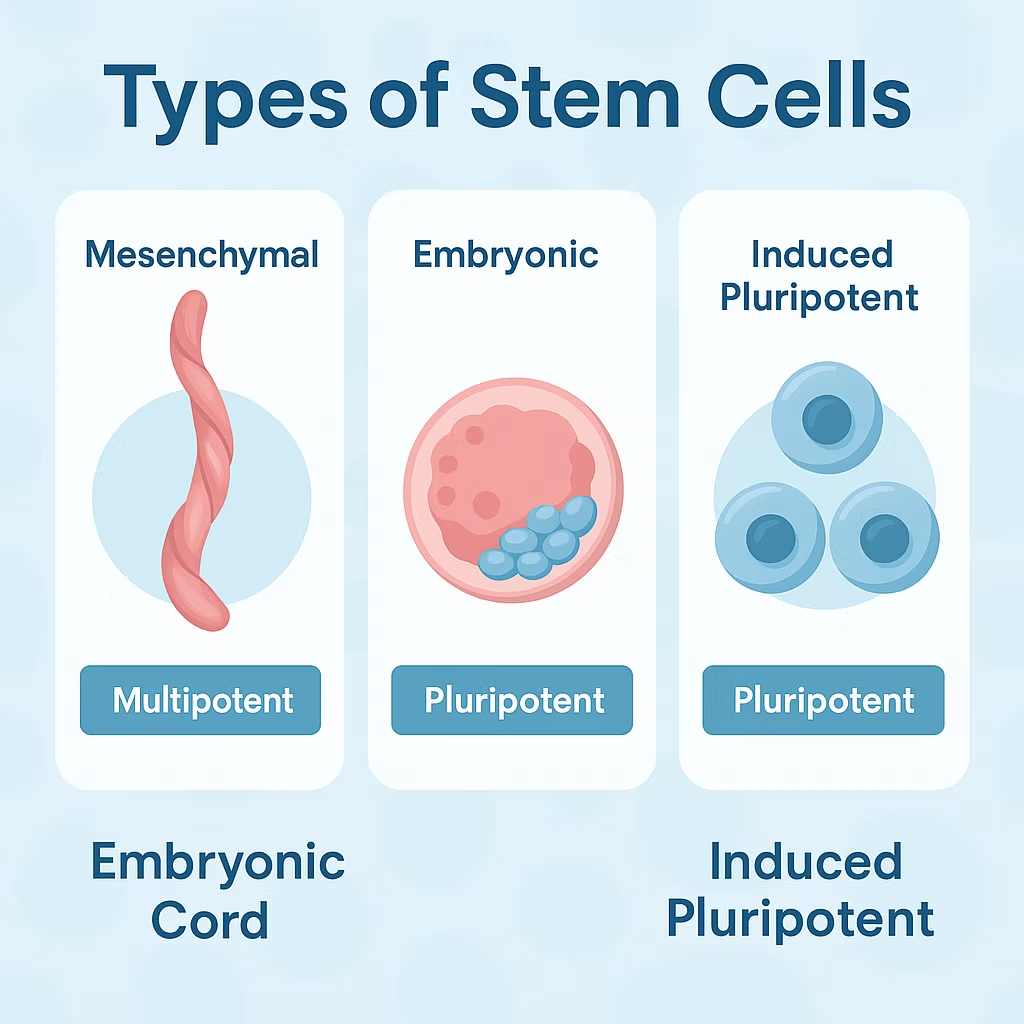
Types of Stem Cells: Understanding the Different Types Used in Regenerative Medicine


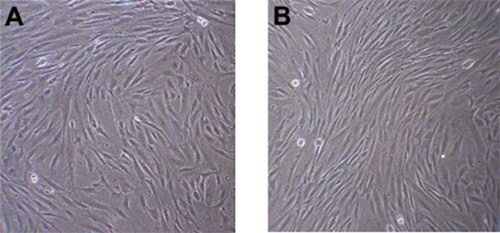
Stem cell therapy has become one of the most discussed advancements in regenerative medicine. But many patients researching treatment options ask the same important question:
What are the different types of stem cells?
Understanding the types of stem cells is essential when exploring regenerative therapy options, especially for orthopedic conditions, autoimmune disorders, neurological diseases, and chronic pain.
At Stem Cell PV in Puerto Vallarta, Mexico, patient education is a priority. Below is a complete guide to the major types of stem cells used in research and clinical applications.
What Are Stem Cells?
Stem cells are unique cells in the body with two defining characteristics:
- Self-renewal – They can replicate themselves.
- Differentiation – They can transform into specialized cells such as muscle cells, nerve cells, or blood cells.
These properties make stem cells powerful tools in regenerative medicine.
How Are Stem Cells Classified?
Stem cells are classified in two main ways:
- By their source (where they come from)
- By their potency (what types of cells they can become)
Let’s explore each category.
Types of Stem Cells by Potency
1. Totipotent Stem Cells
Totipotent stem cells are the earliest form of stem cells.
- Found in the first few days after fertilization
- Can develop into an entire organism
- Can form both embryonic and extraembryonic tissues
These cells are primarily studied in developmental biology rather than clinical therapy.
2. Pluripotent Stem Cells


Pluripotent stem cells can become almost any cell type in the body.
They include:
- Embryonic stem cells (ESCs)
- Induced pluripotent stem cells (iPSCs)
These cells are powerful but highly regulated in clinical use.
3. Multipotent Stem Cells
Multipotent stem cells are more specialized.
- They can develop into multiple related cell types
- They are commonly used in regenerative medicine
Mesenchymal stem cells and hematopoietic stem cells fall into this category.
Types of Stem Cells by Source
1. Mesenchymal Stem Cells (MSCs) – the ones we apply

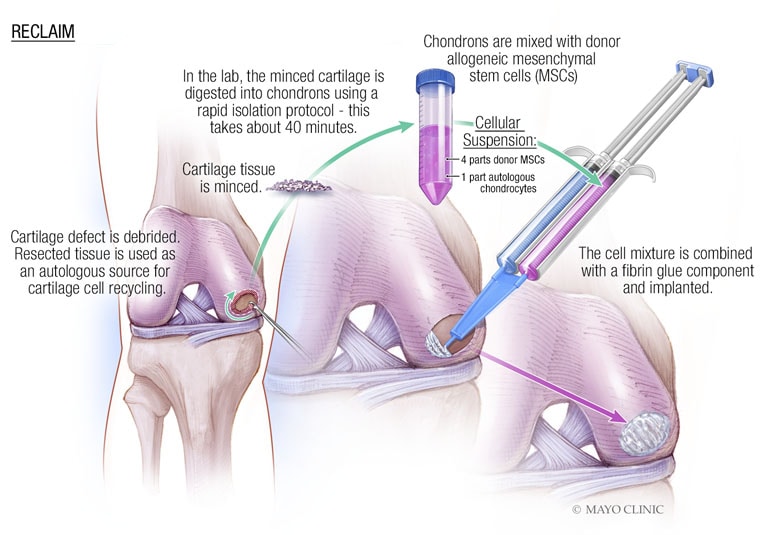

Mesenchymal stem cells (MSCs) are among the most commonly used stem cells in regenerative medicine.
Sources:
- Bone marrow
- Adipose (fat) tissue
- Umbilical cord tissue
Benefits:
- Anti-inflammatory properties
- Immune modulation
- Support for tissue repair
MSCs are frequently studied for:
- Arthritis
- Autoimmune diseases
- Chronic inflammation
- Orthopedic injuries
Mesenchymal stem cells are derived from Wharton’s jelly in the umbilical cord and from placental tissue donated after birth. These are the two most reliable sources for effective modern regenerative medicine. At Stem Cell PV patients receive advanced regenerative care through our partnership with CBCells Biotech Laboratory located in Mexico.
By choosing stem cell therapy in Mexico at Stem Cell PV, patients can benefit from a safe and ethical therapy process that not only focuses on ethically sourcing the stem cells, but also following strict COFEPRIS regulations and certifiying that each treatment is safe and screened for HIV, Hepatitis C, Cytomegalovirus IgG and IgM, Treponemal, and Trypanosoma cruzi IgG . Each cell batch is laboratory-certified, ensuring the highest level of quality and consistency for every procedure.
This careful approach is why many people consider Stem Cell PV and Dr. Alejandra Ortiz a true leader in stem cell therapy within Mexico. with treatments trusted for their ability to reduce inflammation, repair tissue, and support long-term healing.
2. Embryonic Stem Cells (ESCs)
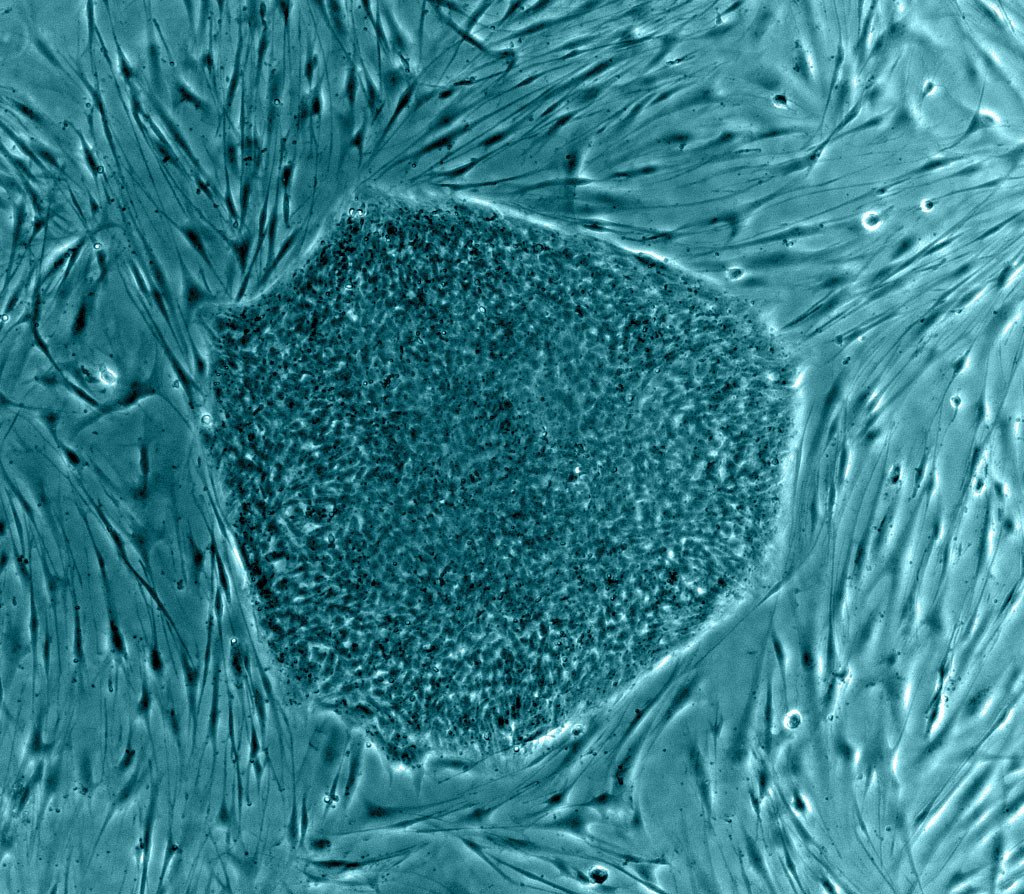


Embryonic stem cells are derived from early-stage embryos.
Key Characteristics:
- Pluripotent
- Can become nearly any cell type
- Significant regenerative potential
Considerations:
- Ethical concerns
- Strict regulatory oversight
- Primarily used in research settings
3. Adult Stem Cells (Somatic Stem Cells)
Adult stem cells are found in developed tissues throughout the body.
They are responsible for maintaining and repairing tissue.
Common types include:
- Bone marrow stem cells
- Adipose-derived stem cells
- Neural stem cells
Adult stem cells are widely used in clinical therapies.
4. Hematopoietic Stem Cells (HSCs)
Hematopoietic stem cells form blood cells.
They are used in:
- Bone marrow transplants
- Leukemia treatment
- Lymphoma treatment
- Blood disorders
This is one of the most established and widely accepted forms of stem cell therapy.
5. Induced Pluripotent Stem Cells (iPSCs)

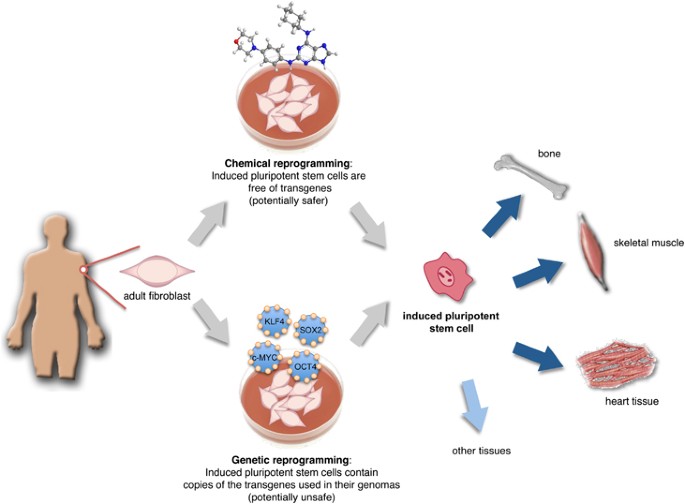
Induced pluripotent stem cells are adult cells that have been genetically reprogrammed to behave like embryonic stem cells.
Advantages:
- Avoids ethical concerns associated with embryonic cells
- Personalized treatment potential
- Highly versatile
Currently, iPSCs are primarily used in research and emerging clinical trials.
Autologous vs Allogeneic Stem Cells
Stem cells are also categorized based on who they come from.
Autologous Stem Cells
- Derived from the patient’s own body
- Lower risk of immune rejection
- Often harvested from bone marrow or fat tissue
Allogeneic Stem Cells
- Derived from a donor
- May be sourced from umbilical cord tissue
- Require proper screening and compatibility assessment
Which Type of Stem Cell Is Used in Regenerative Medicine?
The type of stem cell used depends on:
- The condition being treated
- Patient medical history
- Treatment goals
- Clinical protocol
Many regenerative therapies focus on mesenchymal stem cells due to their anti-inflammatory and immune-modulating properties.
In Puerto Vallarta Mexico, Dr. Alejandra Ortiz applies Mesenchymal stem cells (MSCs) for all therapy and treatments. These are certified quality stem cells from one of Mexico’s leading modern labs.
Why Understanding Stem Cell Types Matters
Patients considering stem cell therapy should understand:
- Not all stem cells are the same
- Potency and source affect how they function
- Some therapies are investigational
- Regulatory standards vary by country
Proper education empowers patients to make informed decisions.
Stem Cell Therapy in Mexico
Mexico has become a destination for patients exploring regenerative medicine options.
Patients often seek treatment abroad due to:
- Cost differences
- Access to certain protocols
- Shorter wait times
However, it is important to verify:
- Physician credentials
- Clinical standards
- Transparent consultation processes
Medical Disclaimer
Stem cell therapies vary in regulatory approval and scientific evidence depending on the condition treated. Some applications discussed in this article are considered investigational and may not be approved by regulatory agencies in certain countries. This content is for educational purposes only and does not constitute medical advice. Patients should consult with a qualified healthcare provider before pursuing any treatment.
Final Thoughts
Understanding the different types of stem cells is essential when researching regenerative medicine options and we are here to safely provide you the therapy you need in an ethical and affordable manner.
From embryonic and pluripotent cells to mesenchymal and hematopoietic stem cells, each type plays a unique role in scientific research and clinical therapy.
For more information regarding your stem cell therapy treatment here in Puerto Vallarta Mexico with Dr. Alejandra Ortiz, please Contact US to send us your information
or give us a call Toll Free 1866.509.0571 or +1817.405.2778